

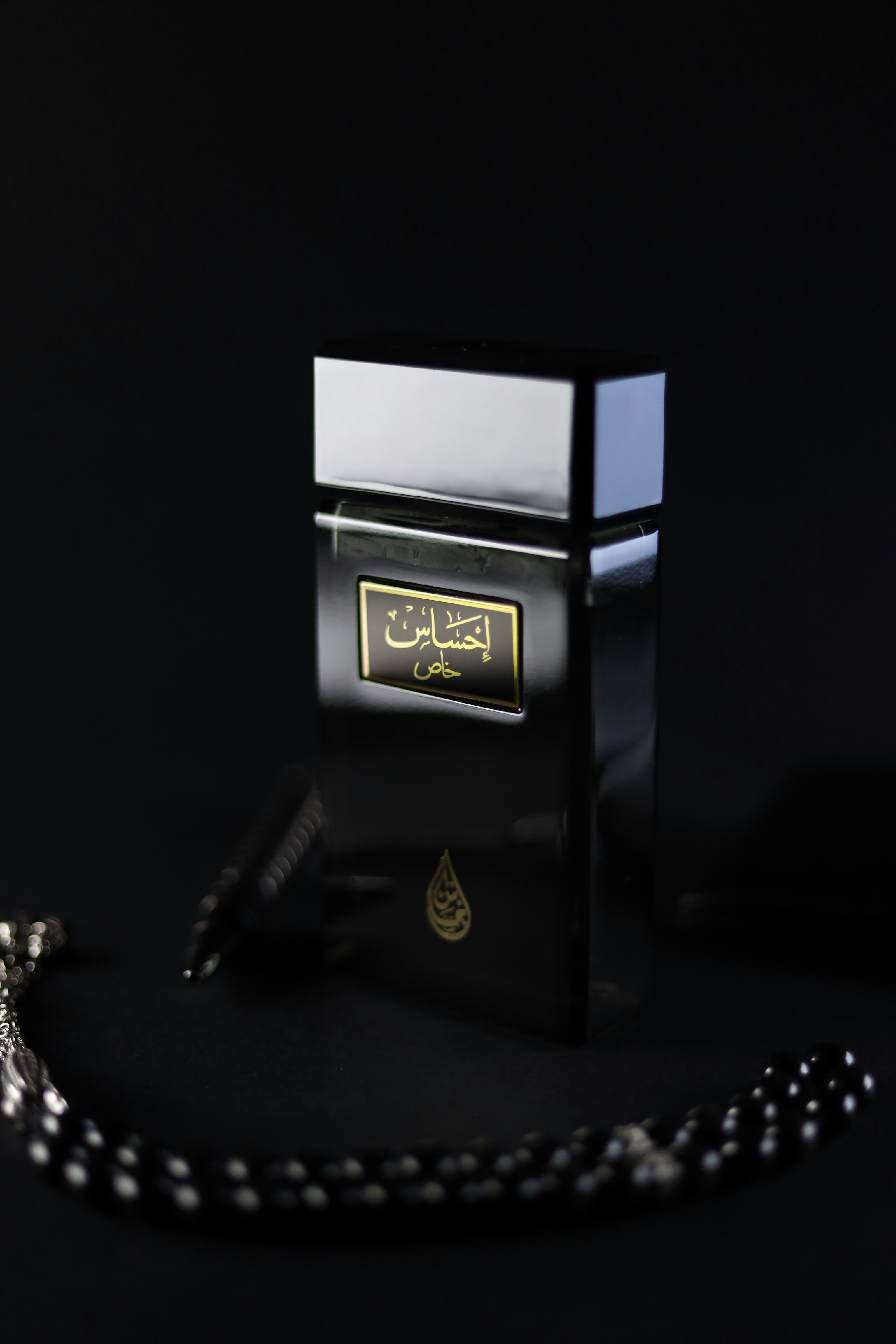
Introduction to Perfume Culture in Pakistan
Perfumes hold a significant place in Pakistani culture, woven into the fabric of daily life and special occasions alike. The appreciation for fragrances transcends mere indulgence; it reflects historical ties, societal norms, and personal expressions. Throughout history, Pakistan has been a crossroads of various civilizations, impacting its cultural narrative, including the use of perfumery.
In many regions of Pakistan, fragrances are not only a sensory pleasure but also a vital part of identity. Traditional attars and modern perfumes are widely used, often layered to create unique combinations that signify personal taste. This cultural inclination towards perfume can be traced back to ancient practices where natural essences from flowers, herbs, and spices were harnessed for their aromatic properties. Such practices have evolved, but the essence of their value remains strong in contemporary society.
On special occasions, such as weddings or religious celebrations, the significance of perfume elevates even further. It is common for individuals to apply a generous amount of fragrance, enhancing their attire and overall presence. The choice of perfume can symbolize various aspects of one’s personality and socioeconomic status. High-end perfumes are often regarded as status symbols, showcasing affluence and sophistication. This societal perception fuels a thriving market for both local and international fragrance brands in Pakistan.
Everyday use of perfumes also highlights personal grooming habits and the desire for freshness, which is highly valued in Pakistani culture. Men and women alike invest in fragrances that they believe enhance their attractiveness and confidence. The act of selecting a fragrance is often considered a personal ritual, with individuals reflecting their emotional state or fashion choices through their scent. This demonstrates how integral perfumes are, not merely as products, but as a part of the cultural narrative in Pakistan.
Exploring the Top Fragrance Notes in Demand
Fragrance plays a significant role in the daily lives of many individuals, and this is particularly true among Pakistani consumers, who often prefer scents that resonate with their cultural nuances and personal preferences. Among the various fragrance notes available, floral, oriental, woody, and fruity scents have emerged as the most favored choices within this demographic.
Floral notes, characterized by their soft and romantic aroma, often evoke feelings of nostalgia and affection. Commonly used floral ingredients include rose, jasmine, and gardenia, which not only reflect the richness of nature but also symbolize beauty and love. These notes are particularly popular during special occasions such as weddings and festivals, where their uplifting and cheerful qualities enhance the celebratory atmosphere.
Oriental fragrances, on the other hand, evoke a sense of warmth and mystery. Utilized commonly in many high-end perfumes, these notes incorporate spices, amber, and musk, creating a deep and sensual scent profile. This type of fragrance is often associated with allure and sophistication, appealing to consumers who appreciate a bolder and more exotic aroma. Oriental notes are frequently chosen for evening wear, allowing individuals to make a lasting impression.
Woody scents bring an element of earthiness that resonates with many. Notes such as sandalwood, cedarwood, and patchouli offer a grounding experience, connecting consumers to nature and providing a sense of tranquility. These fragrances are typically associated with stability and dependability, making them popular among those who value security in their personal and professional lives.
Lastly, fruity scents have gained immense popularity for their freshness and vivacity. Notes like citrus, berries, and melon provide a playful, invigorating experience that is coveted in casual and youthful perfume formulations. The sweetness of fruity notes often elicits positive emotions, making them a preferred choice for everyday wear.
These top fragrance notes not only cater to the varied preferences of Pakistani consumers but also evoke deep emotional connections that transcend the mere act of wearing a scent. Understanding these preferences provides insights into the evolving perfume market, reflecting the rich tapestry of cultural influences that shape consumer choices in Pakistan.
Influence of Celebrities and Media on Fragrance Choices
The preferences for perfume fragrances among Pakistani consumers have been significantly shaped by the influence of celebrities and the media. In a culturally rich and diverse market such as Pakistan, well-known personalities play a pivotal role in guiding consumer choices, particularly in the realm of personal grooming and fragrance. This section explores how celebrity endorsements and media promotions have transformed fragrance selections in the region.
Pakistani celebrities, including actors, musicians, and models, often showcase their favorite perfumes, thereby initiating trends that resonate with their fan base. For instance, celebrated actresses like Mahira Khan and Sajal Aly frequently promote specific scents, making them highly sought after among fans. When a popular figure embodies a particular fragrance, it instantly gains prestige, leading individuals to associate specific scents with glamour and sophistication.
Moreover, luxury brands utilize endorsements from celebrities to amplify their appeal. For example, campaigns featuring music icons such as Atif Aslam have significantly elevated the popularity of certain fragrances among young consumers. By appealing to their admirers, these artists not only endorse products but also create a perception that wearing a specific perfume is synonymous with style and elegance. This practice has become a central element in the fragrance marketing strategy in Pakistan.
Media outlets further amplify these trends through promotional events and advertisements. Television commercial slots often feature celebrities discussing their favorite perfumes, creating a direct line of influence to potential buyers. Social media platforms, particularly Instagram and Facebook, have become powerful tools for fragrance brands, where influencers collaborate with celebrities to reach wider audiences. Instant access to celebrity lifestyles through these platforms reinforces consumer desires to mirror their idols.
In conclusion, the interplay between celebrity endorsements and media promotions has decisively influenced the fragrance choices of Pakistani consumers. By leveraging the star power of renowned personalities and utilizing extensive media coverage, fragrance brands effectively shape consumer preferences and enhance the allure of various scents within this vibrant market.
The Rise of Local Perfume Brands
The local perfume industry in Pakistan has witnessed significant growth in recent years, marking a transformative phase for consumers seeking fragrance options that resonate with their cultural identity and personal preferences. As global brands flood the market, Pakistani entrepreneurs are stepping up to create unique offerings that cater to the discerning tastes of local shoppers. These local brands are not just filling shelves; they are redefining what it means to wear a fragrance in Pakistan.
Renowned local brands like Areej and Tohfa have gained popularity for their diverse range of scents that incorporate traditional notes and contemporary fragrances. These brands often draw inspiration from ancient perfumery practices while harnessing modern techniques to produce products that appeal to younger consumers. Such innovative approaches allow them to stand out in a crowded market. For instance, Areej has garnered attention for its signature scents that blend floral and woody notes, creating a distinctly Pakistani olfactory experience.
Moreover, local brands are recognizing the importance of customization. Many offer customers the option to create personalized perfumes through consultations that explore individual scent profiles. This level of personalization not only enhances the shopping experience but also fosters a deeper connection between the consumer and the product. It allows shoppers to feel represented within their choices, knowing that these fragrances are tailored to better reflect their personal identities and cultural narratives.
Furthermore, the rise of online shopping platforms in Pakistan has provided these local perfume brands an avenue to reach a broader customer base. Consumers are increasingly inclined to explore niche fragrances from the comfort of their homes, and local brands are capitalizing on this trend by enhancing their online presence. As they continue to innovate and adapt to market demands, it is evident that the local perfume industry in Pakistan is poised for further expansion.
Seasonal Fragrance Trends: What’s Hot This Year
The fragrance market in Pakistan is notably influenced by seasonal variations, as the country’s climate shifts between hot summers and cooler winters. These changing weather patterns significantly affect consumer preferences for perfumes, resulting in distinct trends that emerge throughout the year. During the summer months, which typically extend from May to August, fragrances that are light, fresh, and invigorating are highly favored. Citrus-based scents, such as lemon and orange, as well as aquatic fragrances that evoke the essence of the sea, are among the top choices for Pakistani consumers in the heat. Such fragrances offer a refreshing experience, effectively counteracting the sweltering temperatures.
As the seasons transition into winter, consumers gravitate towards richer and warmer scent profiles. The winter months, generally from November to February, bring about a different olfactory preference. Spicy, woody, and musky fragrances gain prominence, with notes of sandalwood, amber, and vanilla being particularly popular. These scents provide a comforting and cozy aura, aligning well with the cooler weather that characterizes this season. The contrasts in temperature and atmosphere essentially guide the consumers in selecting perfumes that not only complement their personal style but also the season.
Moreover, the availability of perfumes that cater to these seasonal trends has expanded in the Pakistani market. Fragrance brands are increasingly launching limited edition selections that embody the essence of each season, appealing to local preferences. It is crucial for brands to recognize these seasonal patterns to align their offerings accordingly. Consequently, staying attuned to seasonal fragrance trends is important for both consumers and brands alike, emphasizing the dynamic relationship between climate and scent preferences in Pakistan.
Top Imported Perfume Brands Among Pakistani Buyers
In recent years, the fragrance market in Pakistan has witnessed a notable increase in the popularity of imported perfumes. Several international brands have captured the interest of consumers, flourishing as favorites within the local market. Among these renowned brands, a few stand out due to their unique offerings and appealing marketing strategies.
One prominent name is Dior, whose fragrances such as Sauvage and J’adore have become household staples. Their luxurious packaging and seductive scents resonate well with Pakistani consumers who value both quality and elegance. The brand’s ability to tap into emotional storytelling in their advertising has further endeared it to the local audience.
Chanel is another brand that has carved a niche in the Pakistani perfume landscape. Iconic fragrances like Chanel No. 5 and Coco Mademoiselle evoke a sense of timeless sophistication appealing to both men and women. The exclusivity associated with Chanel products, coupled with their rich heritage, has made them a coveted choice among buyers.
Gucci also stands out with its modern and edgy fragrance lines, such as Gucci Bloom and Gucci Guilty. These scents are especially popular among younger consumers, who are drawn to Gucci’s contemporary branding and chic lifestyle imagery. The brand successfully merges tradition with modernity, creating products that resonate with the aspirations of the Pakistani youth.
Furthermore, Versace has made significant inroads into the market, particularly with its bold, vibrant scents like Bright Crystal. The brand’s glamorous persona appeals to those looking to make a statement, making it a favorite for occasions ranging from casual gatherings to grand events.
The appeal of these imported perfumes in Pakistan can be attributed to several factors. Firstly, the allure of international brands is heightened by their association with luxury and status. Secondly, the evolving preferences of consumers have led to a growing demand for diverse fragrance profiles that these brands consistently deliver. As a result, they’ve effectively established a strong market presence, making them highly sought-after choices among fragrance enthusiasts in Pakistan.
Pricing Trends: Affordable vs. Luxury Perfumes
The fragrance market in Pakistan is diverse, catering to various consumer segments with differing preferences and budgets. The price range of perfumes available in the country can be broadly categorized into luxury and affordable options, each appealing to distinct demographics. Affordable perfumes typically range from PKR 1000 to PKR 5000, making them accessible to a large portion of the population. These scents are often produced by both local brands and international houses, offering a variety of choices that do not compromise heavily on quality.
In contrast, luxury perfumes can start from PKR 5000 and can go up to PKR 50,000 or more. These high-end options are generally sought after by consumers who prioritize brand prestige and unique fragrance compositions. Luxury perfumes often come with exquisite packaging and are marketed as status symbols, appealing to wealthier individuals and those willing to invest in premium scents. The allure of these fragrances lies not only in their quality but also in the experience they provide, often associated with high fashion and exclusivity.
Consumer preferences in Pakistan are largely influenced by income levels and spending habits. Those with lower to middle-income brackets may opt for more affordable fragrances that provide a sense of style without straining their budgets. On the other hand, affluent consumers tend to gravitate towards luxury perfumes as a reflection of their lifestyle choices. Seasonal festivities and occasions also play a significant role in purchasing behavior; many consumers are willing to splurge on luxurious scents during weddings or celebrations.
Overall, the price differences between affordable and luxury perfumes in Pakistan not only reflect the variations in consumer purchasing power but also highlight the evolving trends in fragrance preferences influenced by social status and individual taste.
The Role of Online Shopping in Perfume Purchases
In recent years, the retail landscape for perfumes in Pakistan has undergone a significant transformation driven by the rise of e-commerce platforms. This shift has not only altered how consumers approach fragrance purchases but has also expanded their access to a wider variety of products than ever before. Online shopping offers a level of convenience that traditional brick-and-mortar stores often cannot match, allowing consumers to explore and buy their favorite scents from the comfort of their homes.
The ease of shopping online has made it possible for consumers to browse extensive catalogs featuring local and international perfume brands. This accessibility contributes to informed decision-making, as buyers can read product descriptions, compare prices, and review customer feedback all in one place. Consequently, e-commerce platforms have become a preferred medium for discovering and purchasing fragrances, significantly affecting consumer behavior.
Moreover, consumers increasingly value the time-saving aspect of online shopping. With lifestyle changes and busy schedules, the ability to order perfumes online has streamlined the purchasing process. This phenomenon is particularly pronounced among younger demographics who are more technologically savvy and willing to rely on digital solutions for their shopping needs. The introduction of targeted marketing strategies, such as personalized recommendations based on previous purchases, has further enhanced the online shopping experience.
Shipping options and return policies have improved as e-commerce has matured in Pakistan, which alleviates some of the hesitations consumers may have about purchasing perfumes online, a category often characterized by the need for sensory perception. As companies embrace these changes, customers grow more confident in their online fragrance purchases.
Therefore, the role of online shopping in perfume purchases is pivotal, as it not only provides convenience and variety but also shapes consumer preferences and choices. The continuing evolution of e-commerce platforms is likely to further influence how fragrances are bought in Pakistan, promoting greater accessibility and encouraging a culture where online shopping becomes the first choice for many.
Conclusion: The Future of Perfume Consumption in Pakistan
The perfume market in Pakistan has undergone significant transformation in recent years, reflecting broader shifts in consumer preferences, cultural influences, and availability of diverse fragrance options. As the nation embraces modernity while respecting traditional values, the trends in perfume consumption are likely to evolve further. Increased exposure to international brands and a growing interest in personal grooming suggest that consumers are becoming more discerning about their fragrance choices.
Looking ahead, it is reasonable to anticipate that the fragrance industry in Pakistan will continue to diversify. With rapid urbanization and an expanding middle class, there is a rising demand for premium and niche perfume brands. Young consumers, in particular, are driving this trend as they seek to express their individuality and personal style through unique scents. Moreover, social media and online shopping platforms are playing a crucial role in shaping consumer behavior, with influencers promoting specific fragrances and creating awareness around new launches.
Additionally, sustainability and ethical sourcing are likely to emerge as key concerns among consumers. As people become more environmentally conscious, they may favor brands that prioritize eco-friendly practices and natural ingredients. This shift may encourage local perfumers to innovate and create products that resonate with the changing values of consumers.
In conclusion, the perfume consumption landscape in Pakistan is poised for dynamic change, influenced by both cultural nuances and global trends. As consumers become more sophisticated in their preferences, the fragrance market will adapt, leading to new opportunities for brands to connect with their audience. The future of perfume in Pakistan appears promising, with a blend of tradition and modernity driving its growth.