

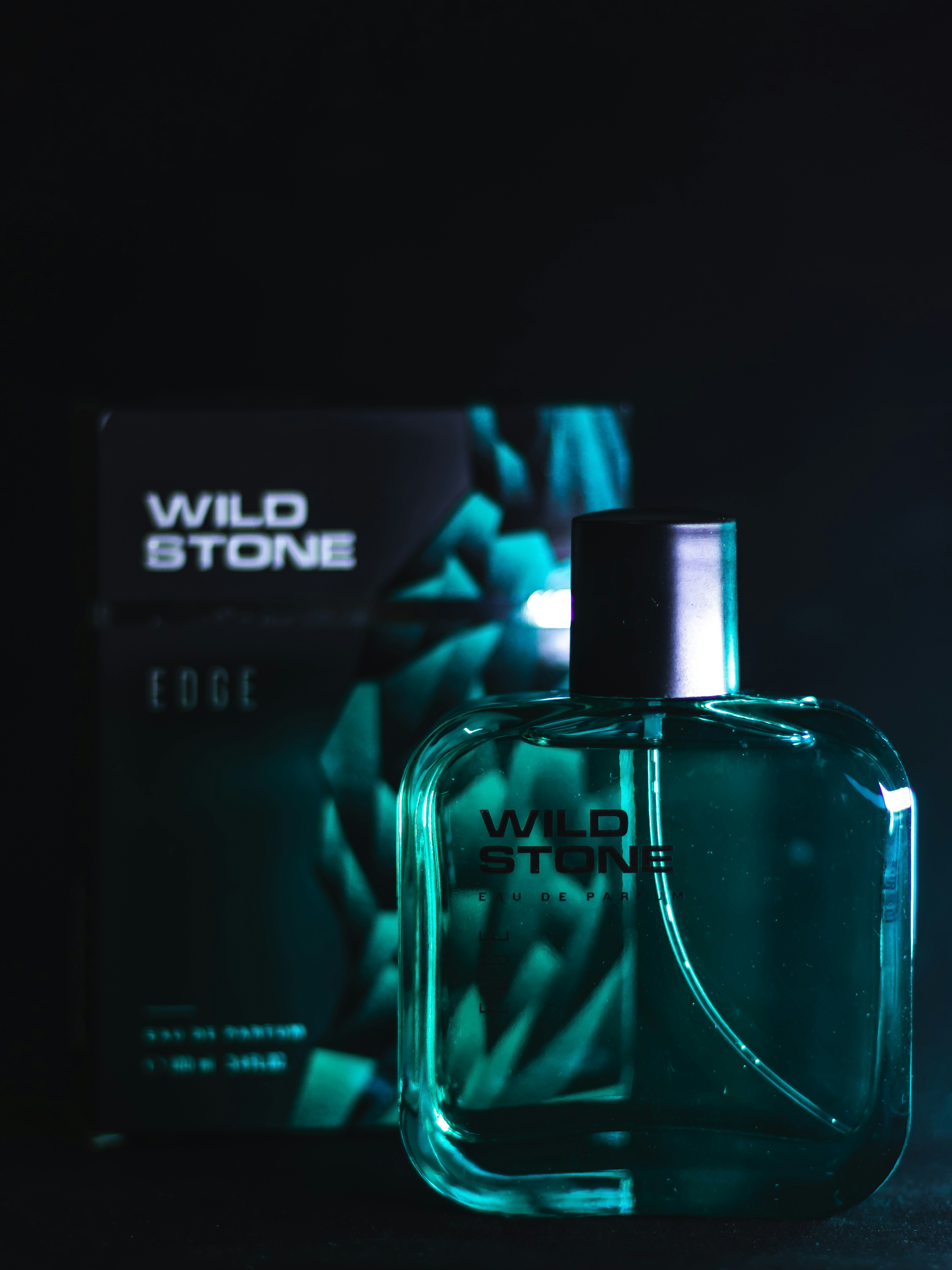
Introduction to Perfumery in Pakistan
Perfumery in Pakistan boasts a rich and intricate history that intertwines with the country’s diverse cultural tapestry. The art of fragrance has deep roots in Pakistani society, with traditional practices often linked to local customs, rituals, and regional identities. From ancient times, the use of natural scents—derived from ingredients such as rose, jasmine, and various spices—has held significant importance within Pakistani culture. These natural elements are not just used for their olfactory properties but are also valued for their therapeutic and symbolic meanings.
Historically, the production of perfume in Pakistan was localized, with artisans employing traditional methods passed down through generations. The practice largely relied on the extraction of essential oils from local flora and fauna, which were then blended to create unique scents that represent different aspects of life and nature. The significance of these traditional perfumery techniques is evident during cultural festivals and weddings, where specific fragrances often enhance the celebratory atmosphere and signify happiness and vitality.
Over the years, fragrance preferences in Pakistan have evolved, adapting to both regional tastes and global trends. The introduction of contemporary perfumery practices and modern marketing strategies has shifted consumer behavior, leading to an increased demand for a wider variety of scents. This change reflects not only a growing global influence but also a desire for personal expression through fragrance. As international brands penetrate the market, they offer new scents that challenge traditional notions while still paying homage to revered local ingredients.
This interplay between tradition and modernity in the realm of perfumery highlights the dynamic nature of the fragrance market in Pakistan. The ongoing evolution presents opportunities for both local artisans and global brands to coexist, potentially enriching the local industry with innovative ideas while preserving age-old practices. By examining these trends, one gains insight into how Pakistan’s rich heritage is poised to shape the future of perfumery in the region.
Current Landscape of the Fragrance Industry in Pakistan
The fragrance industry in Pakistan has been evolving steadily, driven by a blend of traditional preferences and emerging contemporary trends. Major players in the market include both locally established brands and international companies that have penetrated the market, offering diverse product lines tailored to the preferences of Pakistani consumers. Well-known domestic brands such as Sapphire, Khaadi, and Al Haramain present a unique fusion of local cultural elements and modern fragrance creations, catering to a wide array of consumer tastes.
The range of products available spans from affordable, mass-market perfumes to luxury offerings. Consumers in Pakistan exhibit varying price sensitivities; while many opt for budget-friendly options, there is also a significant demand for premium fragrances among affluent buyers. Additionally, the online perfume market is gaining traction, allowing consumers to explore, compare, and purchase a variety of fragrances with ease.
Recent trends in purchasing patterns indicate a shift towards natural ingredients and eco-friendly fragrances. With rising awareness about sustainability and health, more consumers are seeking perfumes that are free from harmful chemicals and are produced sustainably. Furthermore, the influence of social media cannot be understated, as platforms like Instagram and TikTok drive fragrance selection through influencer marketing and user-generated content. These platforms are changing how consumers perceive and choose perfumes, leaning towards signature scents that reflect individuality and personal branding.
As the industry progresses, a marked preference for unisex fragrances is emerging, breaking away from traditional gender-specific classifications. This evolution not only mirrors global trends but also reflects a growing acceptance of creative expression among younger consumers in Pakistan. Overall, the current landscape of the fragrance industry showcases a dynamic interplay between traditional elements and modern consumerism, setting the stage for future developments in Pakistan’s perfumery domain.
Traditional vs. Modern Perfumery
Perfumery in Pakistan has seen a notable evolution over the years, primarily characterized by a shift from traditional methods to contemporary practices. Traditional perfumery in Pakistan is often associated with the use of natural ingredients, particularly in the production of attars, which are alcohol-free and derived from various plant sources. This artisanal approach emphasizes craftsmanship, as skilled artisans handcraft these fragrances using labor-intensive processes that can take weeks or even months to perfect. Attars hold a significant cultural and religious relevance in Pakistan and are appreciated not just for their aromatic qualities but also for their historical and emotional connections.
In contrast, modern perfumery has embraced innovation, often favoring synthetic ingredients for their ability to create a wider range of scents more efficiently and at reduced costs. The rise of mass production techniques means that perfumes are now accessible to a broader audience than ever before. However, this shift may come at the expense of the deep-rooted cultural narratives that traditional perfumery encapsulates. Synthetic fragrances tend to dominate the market due to their affordability and consistent quality, appealing to consumer preferences for readily available products.
The distinction between these two approaches is also reflected in consumer behavior. While many still cherish traditional attars for their unique scents and cultural significance, others lean towards modern perfumes for their convenience and diverse options. This juxtaposition presents an intriguing challenge for perfumers in Pakistan. As they navigate between preserving the integrity of traditional methods and adapting to modern consumer needs, they must consider the impact of their choices on the industry. The future of perfumery in Pakistan may depend on finding a harmonious balance between these two distinct worlds, allowing consumers to appreciate both traditional attars and modern fragrances.
Emerging Trends and Innovations
The perfumery sector in Pakistan is undergoing significant transformation, driven by emerging trends and innovative practices. As consumers become more discerning, there is a noticeable shift towards unique fragrance technologies that enhance the character and appeal of perfumes. One prominent trend is the increased use of sustainable practices in fragrance production. Brands are now prioritizing environmentally friendly sourcing of ingredients and reducing their carbon footprints. This shift aligns with global movements for sustainability, encouraging consumers to choose products that are not only pleasant to wear but also ethically produced.
Moreover, the incorporation of local ingredients into perfumes is gaining traction. Artisanal perfumeries, often inspired by traditional Pakistani scents, are creating blends that capture the essence of regional flora. By utilizing indigenous materials such as rose, jasmine, and sandalwood, these perfumers honor Pakistan’s rich cultural heritage while appealing to contemporary tastes. This focus on local sourcing not only supports local economies but also fosters a sense of pride in regional identities.
Additionally, customization in scent creation is emerging as a compelling trend among perfumers. Consumers are increasingly seeking personalized fragrances that reflect their individual personalities and preferences. This desire has led to the advent of bespoke fragrance services, where artisans collaborate with clients to craft unique scent profiles. Such innovations are redefining the interaction between consumers and perfumery, allowing for a more intimate and tailored experience. As trends continue to evolve, the future of perfumery in Pakistan holds the promise of dynamic growth through these innovative approaches, merging tradition with modernity to create a vibrant fragrance landscape.
Market Challenges and Opportunities
The perfumery industry in Pakistan faces several challenges that impede its growth and limit its potential. One major issue is the overall economic environment. Economic fluctuations, inflation, and fluctuating currency values make it difficult for local manufacturers to maintain stable pricing for their products, which subsequently affects profitability. Many consumers tend to gravitate towards more affordable options, often turning to cheaper alternatives rather than investing in premium local fragrances.
Another significant challenge comes from the competition posed by established global brands. These international companies often have strong marketing budgets, brand recognition, and extensive distribution networks, which can overshadow local perfumery brands. This dominance not only makes it hard for homegrown businesses to capture market share but also influences consumer preferences, leading to a significant reliance on imported products.
Regulatory hurdles further complicate the growth prospects of the perfumery industry in Pakistan. Complex regulatory standards concerning cosmetic and fragrance products can pose obstacles for small and medium enterprises, leading to increased costs and delays in product launches. Navigating these regulations can also be an overwhelming task for new entrants looking to establish themselves in the market.
Despite these challenges, there are substantial opportunities for growth within the Pakistani perfumery industry. The rising interest in niche markets presents a chance for local perfumers to explore unique fragrance profiles that reflect the rich cultural heritage of Pakistan. Additionally, growing international interest in distinctive Pakistani fragrances can pave the way for exports, further expanding the market reach. The global rise in demand for artisanal and organic products also aligns with local brands that can leverage traditional craft and natural ingredients, thereby establishing a competitive edge.
The perfume industry in Pakistan is witnessing a significant transformation, primarily driven by the rise of e-commerce and digital marketing. This shift has not only changed how consumers access fragrances but has also reshaped the marketing strategies employed by brands. With the increasing penetration of the internet and smart devices, customers are turning to online platforms for their shopping needs, making it imperative for perfume brands to establish a robust online presence.
Online shopping has become a convenient option for many, allowing consumers to explore a wide variety of fragrances from the comfort of their homes. E-commerce platforms provide a unique advantage by offering detailed product descriptions, user reviews, and comparison features, which collectively enhance the shopping experience. Brands in Pakistan have begun to realize that establishing their own e-commerce websites or partnering with existing marketplaces can significantly expand their reach beyond traditional retail channels.
Moreover, social media plays a critical role in digital marketing strategies within the perfume sector. Platforms such as Instagram and Facebook are not just avenues for advertising; they are powerful tools for engagement and community building. By utilizing visually appealing content, brands can showcase their products effectively while connecting with consumers on a personal level. Through targeted advertising and influencer collaborations, perfume companies can create tailored marketing campaigns that resonate with diverse audiences.
To further enhance customer engagement, brands can leverage data analytics to understand consumer preferences and trends. Personalization has emerged as a key driver of customer loyalty; by analyzing shopping behaviors and preferences, brands can recommend tailored products that meet individual customer needs. As e-commerce continues to grow, this focus on personalized marketing will be critical in driving sales and gaining market share.
Influence of Global Trends
The fragrance industry continuously evolves, influenced by a myriad of global trends. In Pakistan, the impact of these international developments is becoming increasingly pronounced, shaping local perfumery practices and consumer preferences. One prominent trend is the rising eco-consciousness among consumers worldwide. As awareness about environmental issues grows, there is a burgeoning demand for sustainable and ethically sourced ingredients. Pakistani perfumers are recognizing the necessity to adapt to this shift by sourcing natural materials that promote sustainability. This not only aligns with global expectations but also enhances the appeal of local fragrances in both domestic and international markets.
Another significant trend impacting perfumery in Pakistan is the increasing demand for transparency in ingredient sourcing. Consumers are now more educated and informed, seeking honesty from brands regarding the composition of their products. This transparency fosters trust and loyalty, prompting local companies to provide detailed information about the origins and qualities of their ingredients. By adopting this approach, Pakistani brands can not only cater to consumer demand but also differentiate themselves in a competitive market.
Additionally, the popularity of niche fragrances is another trend reshaping the local perfumery landscape. As consumers gravitate toward unique and personalized scents that reflect their individual preferences, there is an opportunity for Pakistani brands to innovate. Developing exclusive, artisanal fragrances can lead to the establishment of a distinct identity in the global market. By understanding and harnessing global trends, local perfumers can create impactful strategies that resonate with both local and international audiences.
Consumer Education and Engagement
The landscape of perfumery in Pakistan is undergoing significant transformation, driven largely by increased consumer awareness and engagement. Consumer education is essential for enabling individuals to make informed choices when selecting fragrances. Understanding the nuances of fragrance notes, layering scents, and identifying personal scent profiles form a crucial backdrop for meaningful consumer interactions in this sector.
Layering scents has become a popular practice among fragrance aficionados, allowing them to create unique olfactory expressions tailored to their personal style. However, many consumers may remain unaware of the best techniques for combining different fragrances to achieve an optimal result. Through workshops and tailored events, fragrance houses can educate the audience on the foundational principles of layering, encouraging experimentation and creativity. These initiatives not only enhance consumer engagement but also foster a deeper appreciation of the art of perfumery.
Understanding scent profiles—each fragrance’s unique combination of notes and lasting impression—is equally important. Many consumers find fragrances overwhelming due to the vast array of choices available. Therefore, leveraging digital platforms to offer virtual scent guides and interactive content can provide invaluable education. Utilizing social media channels and educational webinars can give consumers insights into fragrance families, seasonal selections, and even tips on how to select scents for various occasions.
In addition to these strategies, fostering a community around fragrance appreciation can spur dialogue and sharing among users. Engaging both online and offline can lead to a more informed consumer base that feels comfortable expressing preferences and experimenting with products. Ultimately, enhancing fragrance literacy through effective consumer education initiatives is vital for the future of perfumery in Pakistan, ensuring that consumers not only understand but also enjoy the complex world of scents available to them.
Conclusion and Future Outlook
As we explore the future of perfumery in Pakistan, it is imperative to acknowledge the remarkable transformations occurring within this sector. Over recent years, the local perfume industry has witnessed a promising surge, fueled by a growing appreciation for traditional scents, innovative product offerings, and a focus on sustainable practices. Pakistan’s rich cultural heritage provides a unique foundation for developing distinctive fragrances that resonate with both national and international consumers.
Local brands are increasingly carving out their identities, positioning themselves as key players within the global fragrance market. By emphasizing natural ingredients sourced from indigenous flora, such as rose, jasmine, and sandalwood, Pakistani perfumers can not only highlight the country’s diverse biodiversity but also differentiate their products in international niches. The rise of e-commerce and digital platforms has further facilitated access, allowing brands to reach a wider audience and engage with consumers beyond geographical limitations.
Additionally, collaboration with local artisans and a focus on storytelling will enable Pakistani brands to connect more deeply with potential customers. Harnessing the power of storytelling can create a compelling narrative around each fragrance, evoking emotions and experiences that resonate with buyers. Furthermore, innovation in packaging and marketing strategies can enhance brand visibility and appeal, aligning with the preferences of modern consumers who value aesthetics as much as the perfume itself.
The future of perfumery in Pakistan holds enormous potential, with opportunities for growth lying in the fusion of tradition and modernity. As local brands continue to innovate and expand their offerings, the fragrance market is set to flourish. With the right strategies and a commitment to quality, Pakistani perfumery has the ability to not only thrive locally but also make a significant impact on the global stage.